
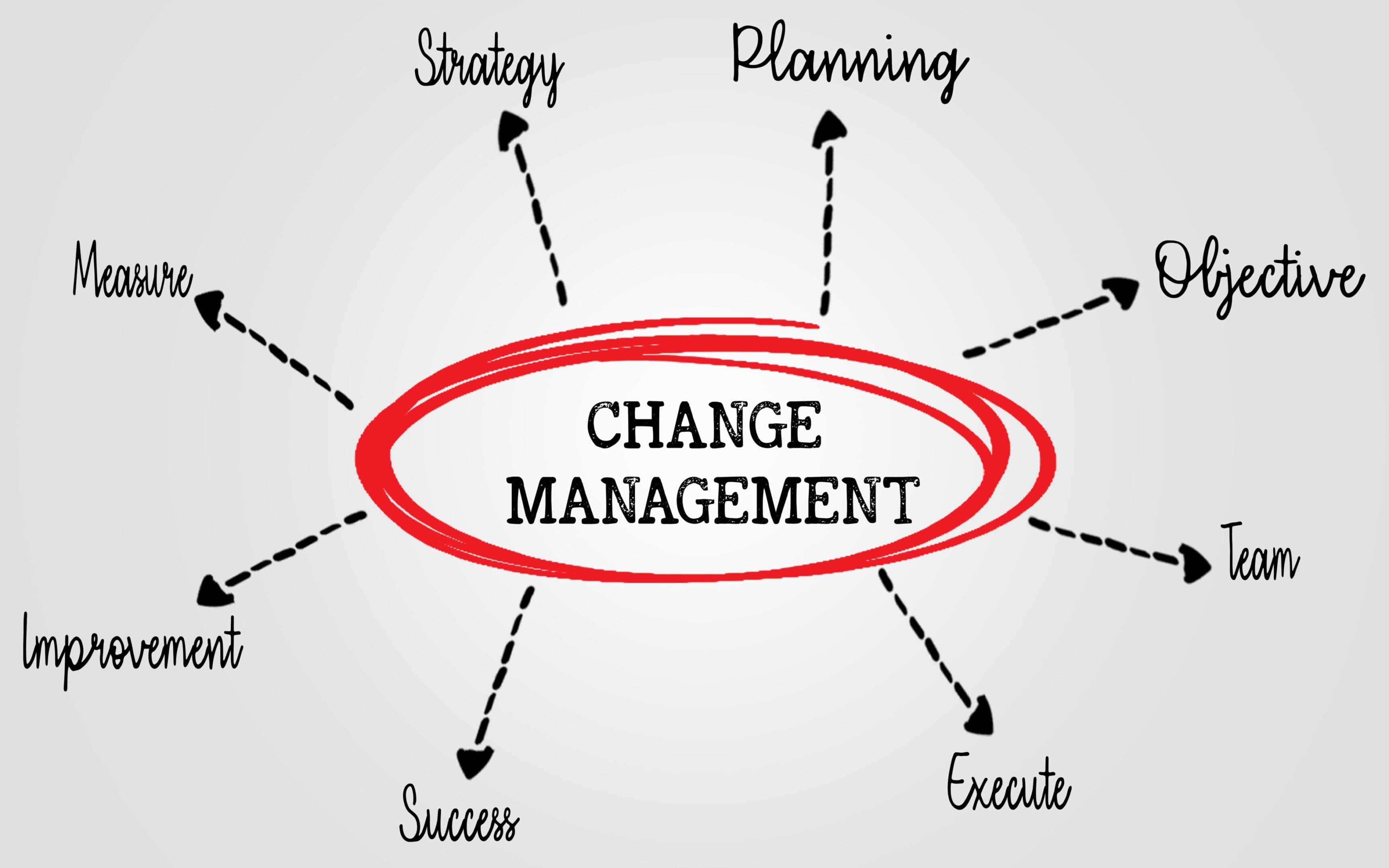
Every higher education leader has experienced this: you champion an innovative program, secure funding, build partnerships, and then hit the faculty resistance wall. Faculty question the academic rigor, worry about workload, resist new technology, or simply refuse to participate. Your initiative stalls before it launches.
Faculty buy-in is not optional for institutional change. Faculty control curriculum, teaching methods, and student interaction. Without their support, even the best strategic initiatives fail. Here is how to build faculty buy-in for change in higher education.
Understand Faculty Resistance is Rational
Administrators often view faculty resistance as obstructionism or fear of change. That misses the point. Faculty resistance is usually rational response to poorly designed change processes that increase their workload, undermine their expertise, or threaten their autonomy.
Before labeling faculty as resistant, ask: Does this change genuinely benefit students and faculty, or does it primarily serve administrative efficiency? If the answer is unclear, faculty skepticism is warranted.
Start with Faculty Champions, Not Mandates
Top-down mandates create resentment. Faculty comply minimally while undermining initiatives through passive resistance. Instead, identify early adopter faculty who see value in the proposed change and empower them as champions.
Faculty champions are more credible than administrators when explaining why change matters. They speak the same professional language, understand classroom realities, and can address colleague concerns authentically. Invest in supporting these champions rather than forcing broader adoption prematurely.
Involve Faculty in Design, Not Just Implementation
The biggest mistake administrators make is designing initiatives in isolation and then asking faculty to implement. Faculty feel like they are being handed someone else’s plan and told to execute. This breeds resistance.
Involve faculty in design from the beginning. Form working groups that include faculty voices alongside administrators and external partners. When faculty help design the initiative, they develop ownership and understand the rationale behind decisions.
Address Workload Concerns Explicitly
Faculty are overloaded. When you propose new initiatives, they hear more work for the same pay. If you do not address workload concerns explicitly, buy-in will not happen.
Be honest about workload implications. If the initiative requires significant additional effort, provide compensation, course releases, or reduced service commitments. If you claim it requires no extra work when faculty know otherwise, you lose credibility permanently.
Demonstrate Student Benefit with Data
Faculty care deeply about student success. They resist changes they perceive as compromising educational quality, but they support changes that demonstrably improve student outcomes.
Use data to show student benefit. If your initiative improves completion rates, job placement, or student satisfaction, share that evidence. Pilot the change with a small group and document outcomes before scaling. When faculty see that students benefit, resistance decreases significantly.
Respect Faculty Expertise and Autonomy
Faculty spent years developing expertise in their disciplines and teaching practice. Initiatives that imply their current methods are inadequate trigger defensiveness. Frame change as building on existing strengths rather than fixing failures.
Respect faculty autonomy in implementation. Provide clear goals and support, but allow faculty to adapt approaches to their teaching style and disciplinary context. Mandating rigid implementation methods breeds resentment and undermines quality.
Provide Adequate Training and Support
Nothing undermines buy-in faster than expecting faculty to implement new approaches without adequate training. If you are introducing new technology, new pedagogies, or new assessment methods, invest in professional development.
Training should be ongoing, not one-time workshops. Provide coaching, peer learning communities, and accessible resources. Make it easy for faculty to succeed with the new approach.
Celebrate Early Wins and Learn from Failures
Change is messy. Early implementations will have problems. If you only acknowledge successes and ignore failures, faculty lose trust. Be transparent about what is working and what needs adjustment.
Celebrate early wins publicly. Recognize faculty who embrace the change and achieve positive results. This creates positive momentum and signals that the initiative is valued institutionally.
Faculty buy-in requires time, respect, and genuine collaboration. Treat faculty as partners in change rather than obstacles to overcome, and your initiatives will have a far higher success rate.
Related Articles:
• Why Your Online Program Isn’t Converting: QM Standards Explained
• 5 Common Digital Badging Mistakes Higher Ed Institutions Make
• Noncredit-to-Credit: A Practical Guide for Community Colleges
Need Help Building Faculty Support for Change?
Motivvit Solutions specializes in change management and faculty development for higher education institutions. We help you build buy-in for new initiatives through strategic communication and professional development.
About the Author
Toni M. Bennett, DBA is the Founder and CEO of Motivvit Solutions, a workforce development consulting firm specializing in digital credentials, employer-aligned pathways, and strategic program development for higher education institutions. With over 20 years of higher education leadership experience, Dr. Bennett has achieved enrollment growth, secured grants, and built workforce partnerships across Virginia, North Carolina, and South Carolina. She holds a Doctorate in Business Administration (Marketing) and has served in leadership roles at the University of Virginia, Christian Brothers University, and Spartanburg Methodist College.
Connect with Dr. Bennett on LinkedIn or visit motivvit.com to learn more about workforce development solutions.